| Cat # | Size | Price | Quantity | |
|---|---|---|---|---|
| 505301 | 1 mg | $125 | ||
| 505302 | 5 mg | $400 | ||
| 505303 | 20 mg | $800 | ||
| 505304 | 5 mg | $600 | ||
| 505305 | 20 mg | $1200 |
| Clone | Rituximab |
|---|---|
| Application | Flow cytometry, animal model study |
| Host Species | Mammalian cells |
| Format | Liquid |
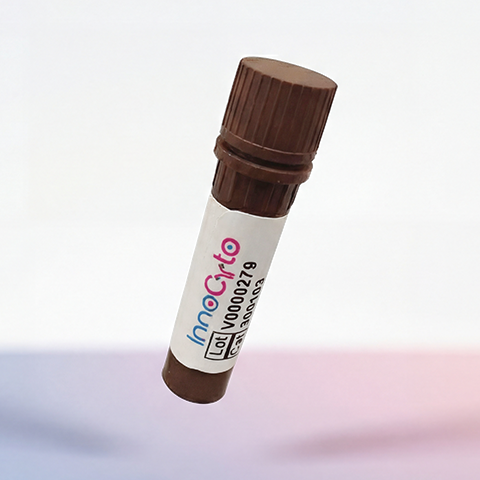
| Product Description | Rituximab Biosimilar, Endotoxin 0.05 EU/mg |
| Isotype | Human IgG1 |
| Regulatory Status | RUO |
| Clonality | Recombinant |
| Immunogen | Human lymphoblastoid cell line SB |
| Clone Number | 10F381 |
| Species specificity | Human |
| Purity | >95% by reducing SDS-PAGE |
| Grade | In vivo |
| Storage Conditions | 4ºC |
| Maximal Shelf Life | 12 months |
| See All Formats | Clone Rituximab |
Rituximab is a chimeric monoclonal antibody of the immunoglobulin G1 kappa (IgG1κ) subclass designed to target the CD20 antigen, a transmembrane phosphoprotein expressed on the surface of B lymphocytes. Structurally, it is a glycoprotein with a molecular weight of approximately 145 kilodaltons (kDa) and consists of two identical heavy chains and two identical light chains connected by disulfide bonds, forming the Y-shaped quaternary configuration typical of IgG molecules. The heavy and light chains each contain variable (VH and VL) and constant (CH1–CH3 and CL) domains, with the variable regions defining the antibody’s antigen-binding specificity. Rituximab is produced through recombinant DNA technology using mammalian expression systems, such as Chinese Hamster Ovary (CHO) cells, ensuring proper folding, glycosylation, and structural stability.
The antigen-binding fragments (Fab) of Rituximab contain complementarity-determining regions (CDRs) derived from murine antibody sequences that confer high specificity for a conformational epitope on the large extracellular loop of CD20. The constant domains are human IgG1 sequences, reducing immunogenicity and enhancing serum stability. Rituximab associates tightly with CD20, which acts as an integral component of calcium flux regulation and B-cell activation in experimental models. The engagement of CD20 by Rituximab can induce conformational changes and aggregation in lipid rafts, leading to intracellular signaling events that include calcium mobilization, phosphorylation of kinases, and sometimes direct apoptotic signaling in target cells.
The Fc (fragment crystallizable) portion of Rituximab contributes to effector functions characteristic of the human IgG1 subclass. It interacts with Fc gamma receptors (FcγRs) on immune effector cells to mediate antibody-dependent cellular cytotoxicity (ADCC) and with complement component C1q to trigger complement-dependent cytotoxicity (CDC) in vitro. The Fc segment also binds to the neonatal Fc receptor (FcRn), enabling molecular recycling and prolonged half-life. Overall, Rituximab exemplifies rational antibody engineering—integrating specific antigen recognition, structural integrity, and effector functionality—to study B-cell biology and Fc-mediated immune mechanisms.
Anti-Human CD20 (Rituximab Biosimilar) TDS
Anti-Human CD19 Antibody, Clone HIB19
iF560 Anti-Human CD19 Antibody, Clone HIB19
iF647 Anti-Human CD19 Antibody, Clone 019AM2b
Biotin Anti-Human CD19 Antibody, Clone 019AM2b
PE Human CD20 Protein (TrxA tag)
APC Human CD20 Protein (TrxA tag)
Anti-Human CD20 Antibody, Clone 020AR1
iF488 Anti-Human CD20 Antibody, Clone 020AR1
PE Anti-Human CD20 Antibody, Clone 2H7
Have a product or application question? Consult our FAQs or contact us.