| Cat # | Size | Price | Quantity | |
|---|---|---|---|---|
| 501401 | 1 mg | $190 | ||
| 501402 | 5 mg | $500 | ||
| 501403 | 20 mg | $1390 |
| Clone | Cetuximab |
|---|---|
| Application | Flow cytometry, animal model study |
| Host Species | Mammalian cells |
| Reactivity | Human |
| Format | Liquid |
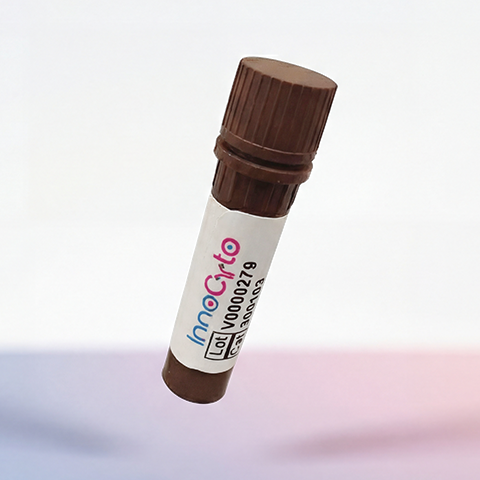
| Product Description | Cetuximab Biosimilar, Human EGFR Monoclonal Antibody |
| Isotype | Human IgG1 |
| Regulatory Status | RUO |
| Clonality | Recombinant |
| Immunogen | Human EGFR / ErbB-1 |
| Clone Number | C225 |
| Species specificity | Human |
| Purity | >95% by reducing SDS-PAGE |
| Grade | In vivo |
| Storage Conditions | 4ºC |
| Maximal Shelf Life | 12 months |
| Synonyms | ErbB1, HER1 |
| RRID | AB_3739290 |
| Target Name | EGFR, Proto-oncogene c-ErbB-1, Receptor tyrosine-protein kinase erbB-1, HER1 |
| Antibody Type | Recombinant |
| Research Areas | Cancer Marker, Epithelial cells |
| See All Formats | Clone Cetuximab |
Cetuximab is a chimeric monoclonal antibody designed to specifically target the extracellular domain of the epidermal growth factor receptor (EGFR), also known as ErbB1 or HER1. Structurally, Cetuximab belongs to the immunoglobulin G1 (IgG1) subclass and is composed of two identical heavy chains and two identical light chains connected by disulfide bonds, creating a Y-shaped molecule with a molecular weight of approximately 152 kilodaltons (kDa). The molecule combines murine variable regions responsible for antigen recognition with human constant regions, resulting in a chimeric structure that preserves specificity while improving structural stability and compatibility with human immune components. It is produced using recombinant DNA technology in mammalian expression systems, typically in murine myeloma cells.
The variable regions of the heavy (VH) and light (VL) chains contain complementarity-determining regions (CDRs) that define the antibody’s epitope specificity. These CDRs bind with high affinity to the extracellular ligand-binding domain of EGFR, preventing the natural ligands, epidermal growth factor (EGF) and transforming growth factor-alpha (TGF-α), from interacting with the receptor. This blockade inhibits receptor dimerization and autophosphorylation at key tyrosine residues within the intracellular kinase domain, thereby disrupting downstream signaling cascades such as RAS-RAF-MAPK and PI3K-AKT pathways. These pathways are critical for the regulation of cellular proliferation, differentiation, and survival, making Cetuximab a valuable molecular tool for investigating growth factor signaling networks in experimental systems.
The Fc region of Cetuximab, derived from the human IgG1 isotype, contributes to its biophysical stability and extended serum half-life through interaction with neonatal Fc receptors (FcRn). It also retains the potential for effector functions via binding to Fc gamma receptors (FcγRs), enabling engagement with immune effector cells in research contexts.
Anti-Human EGFR (Cetuximab Biosimilar) TDS
Anti-Human EGFR Antibody, Clone 528
Anti-Human EGFR (Matuzumab Biosimilar), Clone Matuzumab
Anti-Human EGFR (Nimotuzumab Biosimilar), Clone Nimotuzumab
Anti-Human EGFR (Panitumumab Biosimilar), Clone Panitumumab
Biotin Anti-Human EGFR Antibody, Clone 528
Have a product or application question? Consult our FAQs or contact us.